
Issue 01November 2026
The Lunar Mind Bulletin
News, practice insights and free tools for residential children's homes across the Midlands and South West.
☾ Midlands & South WestLunar Mind supports children's homes across the Midlands and the South West
We've had a few emails from people who assumed we only work in one part of the country, so let's be clear: Lunar Mind supports residential children's homes, and the young people and families connected to them, across both the Midlands and the South West.
Whether your home is in the Midlands or anywhere across the South West, our training, skills audits, reflective practice and therapeutic support are for you.
Not sure whether we cover your area? Just ask. We'd always rather have the conversation.
Ask about your areaPACE: four small words that change everyday moments
Playfulness, Acceptance, Curiosity and Empathy: a way of being with young people that works in the kitchen at 7am as well as in a therapy room.
Read the full piece
PACE comes from Dyadic Developmental Practice, and it is best thought of as an attitude rather than a technique. It describes how we show up for a young person, particularly when things are difficult.
Playfulness is about lightness and warmth: a gentle joke, a softer tone, a moment of fun that says “we are still OK.” Acceptance means accepting the feeling or the need behind what a young person says or does, without having to accept the behaviour. Curiosity keeps us wondering rather than judging. Empathy lets the young person know that we are alongside them in how it feels.
Try this week: swap “Why did you do that?” for “I wonder what was going on for you just then.” Notice what changes in the room.
Behaviour is communication: what is this young person telling us?
Behind every behaviour is a need, a feeling or a story. Four questions to ask before you respond.
Read the full piece
When a young person shouts, shuts down or leaves the room, it is easy to focus on what happened and how to stop it. A more helpful question is: what are they trying to tell us?
Next time you notice a difficult moment, pause and ask yourself:
- What happened just before? Look for triggers, transitions or unmet needs.
- What might they be feeling? Name it quietly, to yourself first.
- What need might sit underneath? Safety, connection, control, rest, food?
- What would help right now? Often it is connection before correction.
Small shifts in how a whole team thinks about behaviour add up to calmer homes and stronger relationships.
The Window of Tolerance: connect before you correct
When a young person is outside their window, thinking and reasoning go offline. Here is how to spot it and what helps.
Read the full piece
Each of us has a “window” in which we feel calm enough to think, talk things through and cope with hard feelings. Outside it, we are either too activated (fight or flight: panic, anger, racing thoughts) or too shut down (freeze: numb, flat, disconnected).
For many young people who have experienced trauma, that window is narrow. Reasoning, consequences and long explanations rarely land when the nervous system is flooded or shut down. What helps is a regulated adult: calm, present and offering safety, so the young person can borrow some of that calm.
The good news is that a window can grow with practice, support and understanding. Our free Window of Tolerance handout, this issue's featured resource below, is designed to share with colleagues and young people.
Looking after the people who look after the children
Therapeutic care asks a lot of the adults. Reflective practice gives that emotional load somewhere to go.
Read the full piece
Caring for young people who have experienced trauma is rewarding, and it is also emotionally demanding. Staff absorb a great deal: difficult moments, big feelings, and the weight of wanting to get it right.
Reflective practice sessions create a protected space to talk through incidents, understand responses, strengthen communication across the team and recognise the emotional impact of the work. It is not about blame. It is about learning together.
Teams that reflect together tend to respond with more consistency and more compassion, which young people feel.
From our phrase bank
Say this instead
A few swaps from our Writing with Warmth therapeutic phrase bank. Write as if the person will read your words one day, because they might.
Download the full phrase bankResources
Free downloads
Free printable tools and handouts from Lunar Mind. Download them, print them and share them with your team and the young people you support.
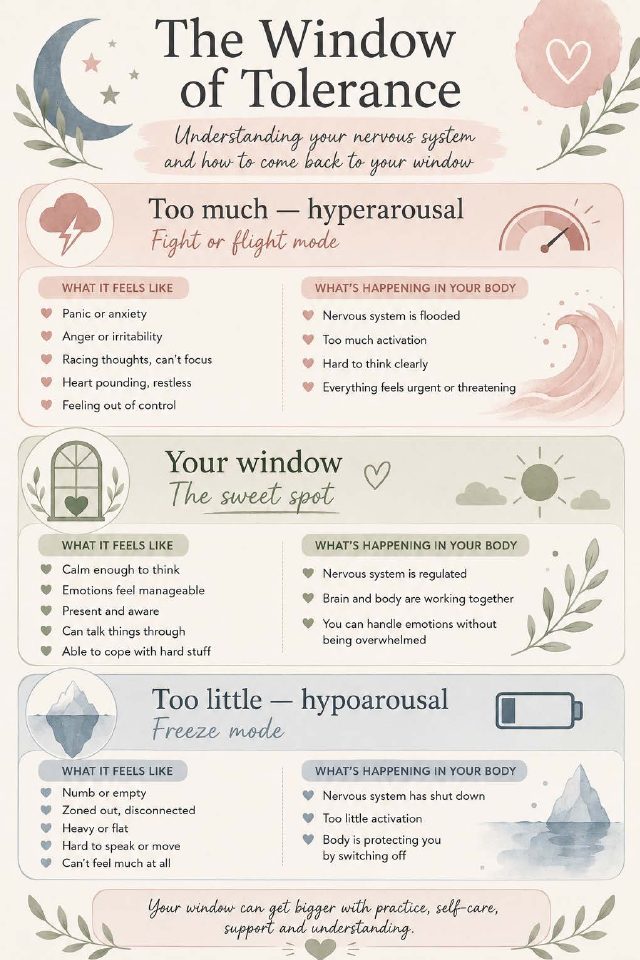
Window of Tolerance
Understanding your nervous system and how to come back to your window. A one-page visual guide to hyperarousal, hypoarousal and the “sweet spot” in between.
Download the PDF · 149 KB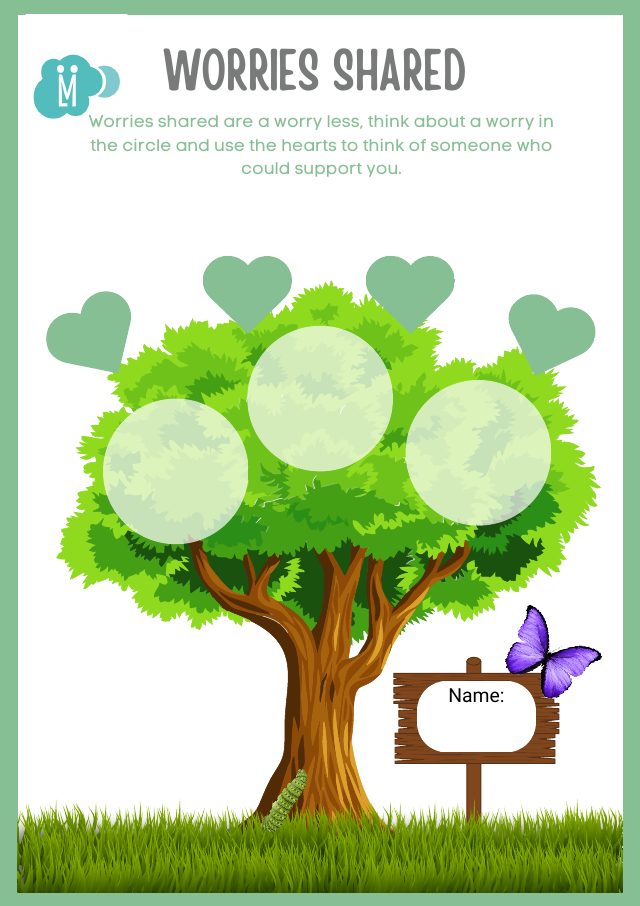
Worries Shared
“A worry shared is a worry less.” A worksheet for naming a worry and thinking about who could support you.
Download the PDF · 2.2 MB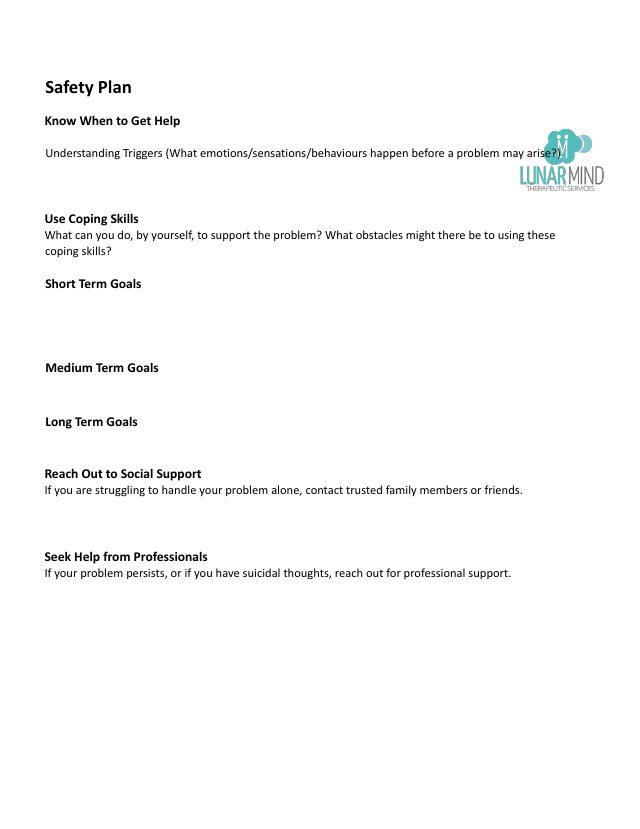
Safety Plan
A safety plan template covering triggers, coping skills, goals and who to reach out to.
Download the PDF · 46 KB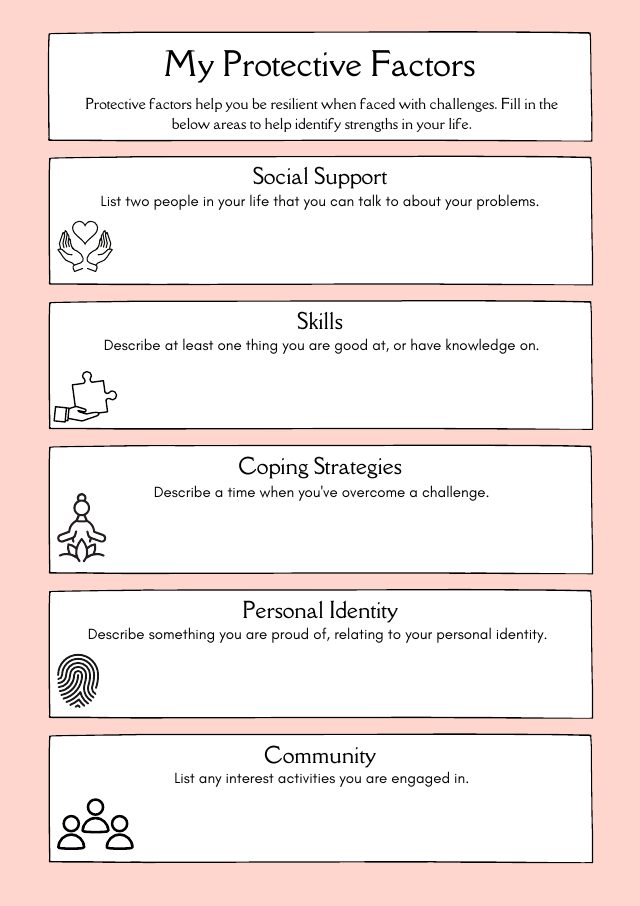
Protective Factors
Helps a young person identify strengths: social support, skills, coping strategies, identity and community.
Download the PDF · 38 KB
CSE/CCE Action Plan
An eight-week plan for responding to child sexual and criminal exploitation risk, covering safeguarding, therapeutic input and multi-agency work.
Download the PDF · 757 KB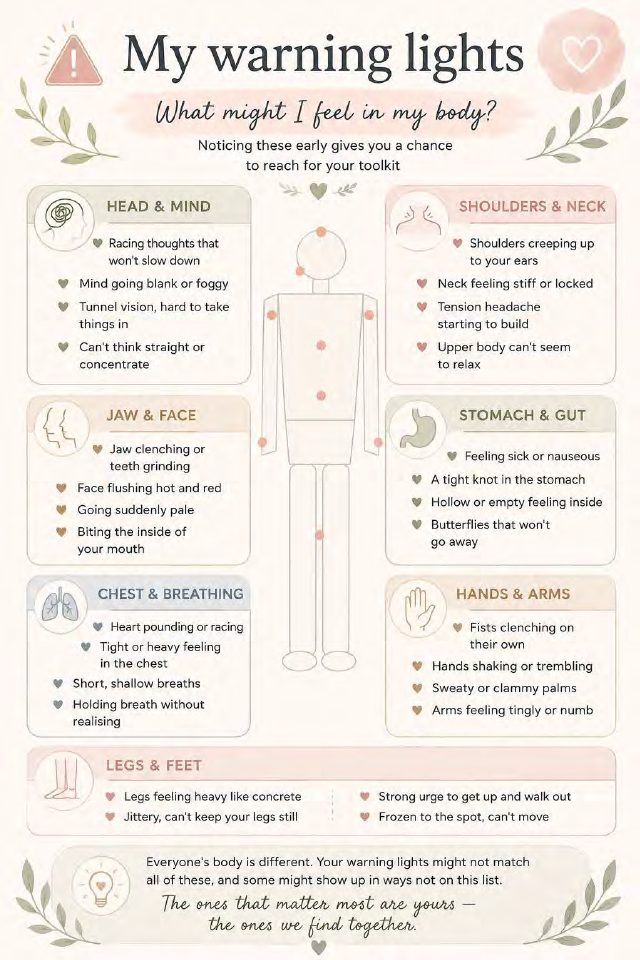
How I Feel In My Body
“My warning lights”: noticing early signs in the body gives a chance to reach for your toolkit.
Download the PDF · 120 KB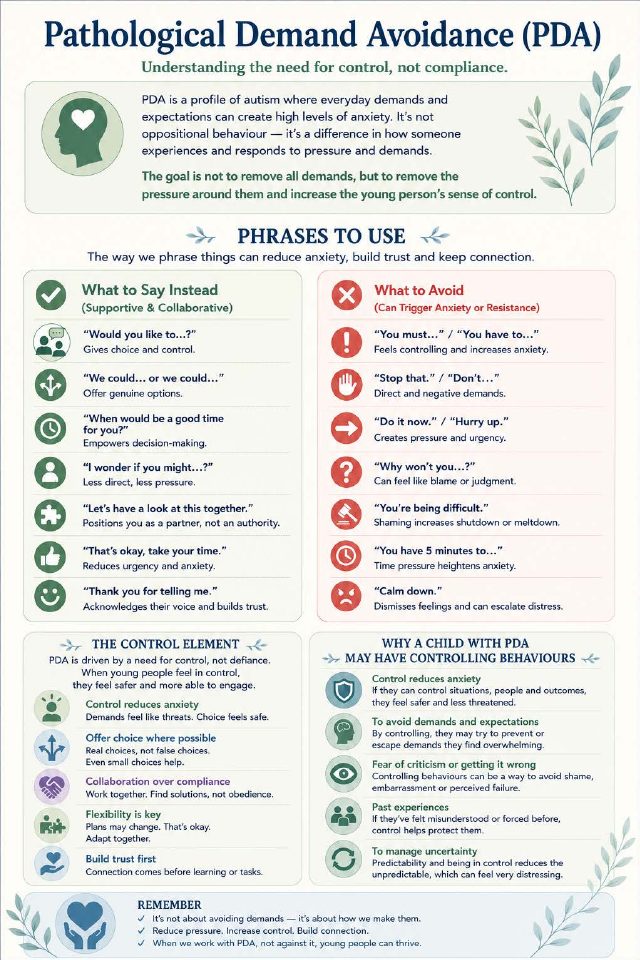
PDA
Pathological Demand Avoidance: understanding the need for control, not compliance, with phrases to use and to avoid.
Download the PDF · 211 KB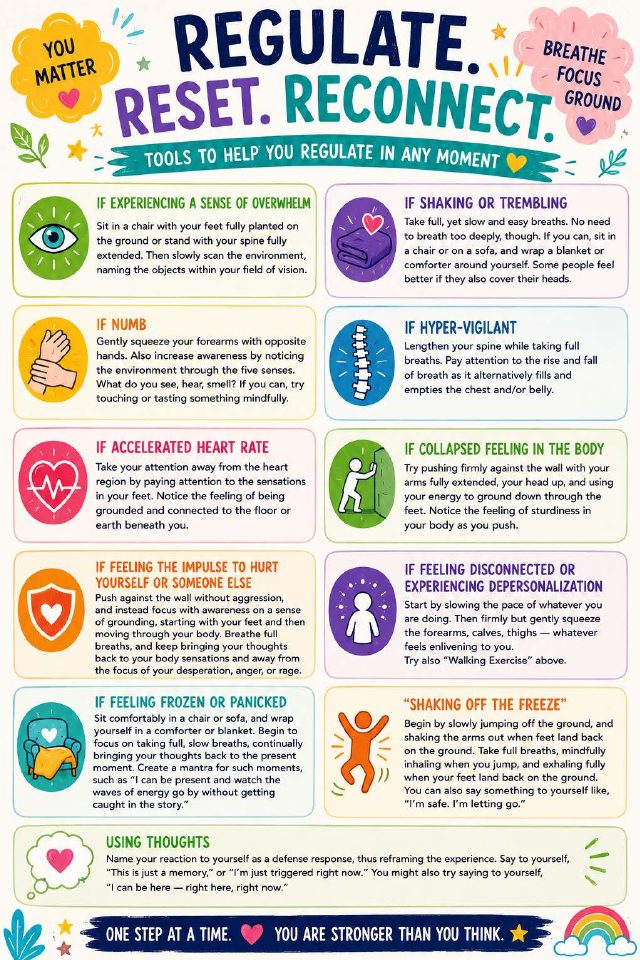
Regulation
Regulate. Reset. Reconnect. Tools to help you regulate in any moment.
Download the PDF · 265 KB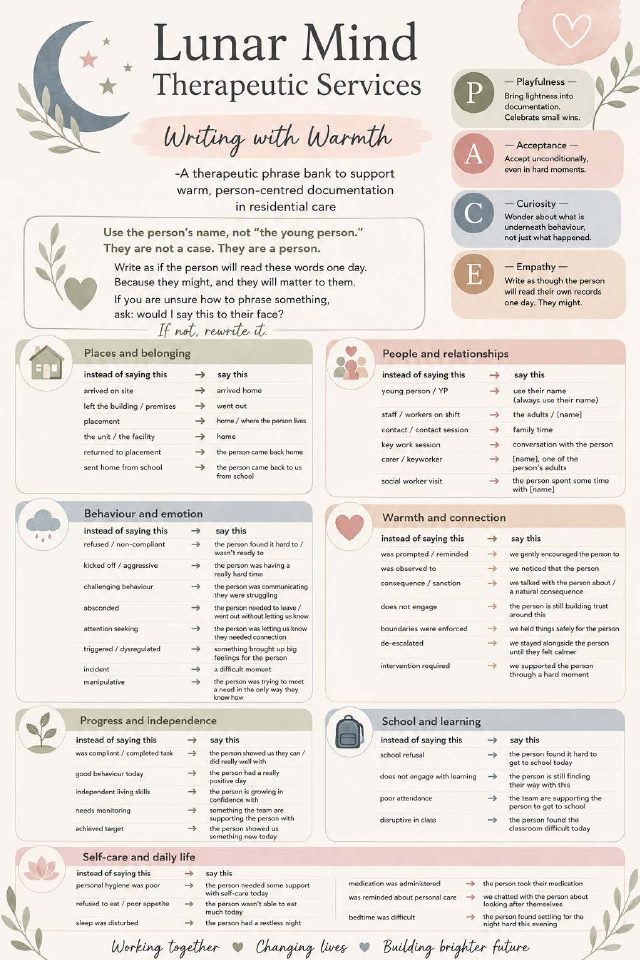
Therapeutic Phrase Bank
“Writing with Warmth”: a phrase bank for warm, person-centred documentation in residential care.
Download the PDF · 184 KB
What is Exploitation?
Understanding exploitation, and how identity and exploitation are linked.
Download the PDF · 8.0 MBBring Lunar Mind to your home
Training, reflective practice, skills audits and therapeutic support for children's homes across the Midlands and South West.
Get in touch